




What are the differences between aerobic and anaerobic fermentation tanks?
 Dec 30, 2025|
 Hey there! As a fermentation tank supplier, I often get asked about the differences between aerobic and anaerobic fermentation tanks. It's a super important topic, especially if you're in the business of brewing, winemaking, or any other fermentation - based industry. So, let's dive right in!
Aerobic Fermentation Tanks
First off, let's talk about aerobic fermentation. Aerobic fermentation is a process that requires oxygen. In this type of fermentation, microorganisms like yeast or bacteria break down organic substances in the presence of oxygen to produce energy, along with various by - products.
One of the key features of aerobic fermentation tanks is that they need to be designed to allow a sufficient supply of oxygen. This could mean having an aeration system installed. Aeration systems can range from simple diffusers that bubble air through the fermentation medium to more complex mechanical agitators that mix the contents and expose them to the air.
The construction of aerobic fermentation tanks also often takes into account the need for proper ventilation. These tanks usually have vents or ports that let in fresh air and allow the expulsion of carbon dioxide and other gases produced during the fermentation. This is crucial because too much carbon dioxide can inhibit the growth of aerobic microorganisms.
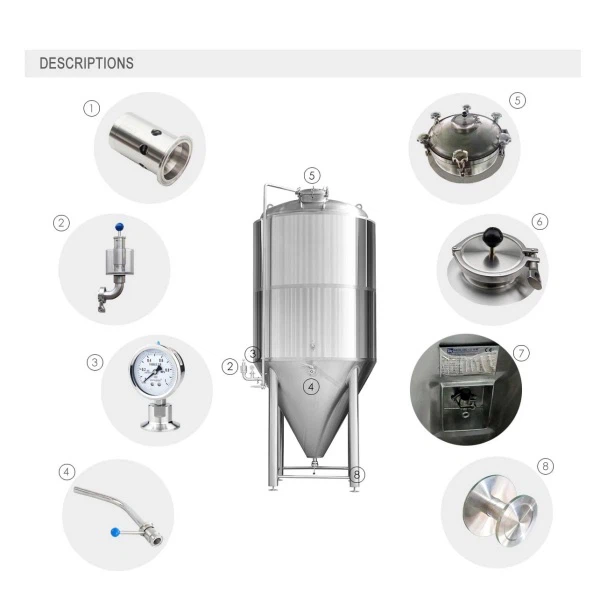
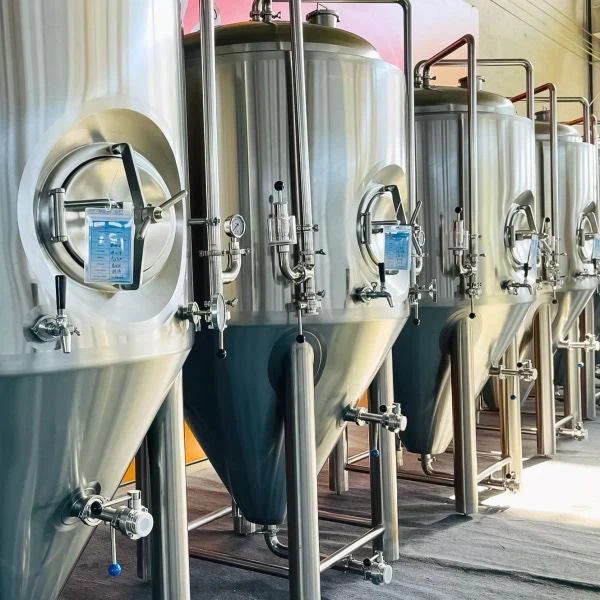
Size and shape can vary greatly depending on the application. For commercial beer brewing, for example, large cylindrical tanks might be used. These can hold thousands of liters of wort for fermentation. The material of the tank also matters. Stainless steel is a popular choice due to its durability, resistance to corrosion, and ease of cleaning. It ensures that the fermentation process remains hygienic and free from contamination.
Anaerobic Fermentation Tanks
Now, let's switch gears and talk about anaerobic fermentation. Anaerobic fermentation occurs in the absence of oxygen. Microorganisms involved in this process, such as certain types of bacteria, break down organic matter to produce energy and useful products like ethanol, lactic acid, or biogas.
Anaerobic fermentation tanks need to be airtight to prevent the entry of oxygen. This means they are usually equipped with tightly sealed lids and joints. Even a small amount of oxygen can disrupt the anaerobic environment and affect the fermentation process.
Temperature control is often more critical in anaerobic fermentation. Many anaerobic microorganisms are sensitive to temperature changes. For instance, in the production of biogas, maintaining a specific temperature range is essential for the efficient digestion of organic waste by anaerobic bacteria.
Anaerobic tanks may also have different monitoring and control systems compared to aerobic ones. Since the fermentation is taking place without oxygen, the focus might be more on parameters like pH levels, the concentration of specific metabolites, and the pressure inside the tank.
The design of anaerobic fermentation tanks can also be different. Some are made in a way that allows for easy harvesting of the products. For example, in a biogas digester, there are usually outlets for collecting the biogas and removing the digested sludge.
Structural Differences
When it comes to the structure, there are some clear differences between aerobic and anaerobic fermentation tanks. Aerobic tanks may have more complex internal components, like those aeration and agitation systems I mentioned earlier. These components help in maintaining the oxygen levels and the homogeneity of the fermentation medium.
On the other hand, anaerobic tanks are often simpler in terms of internal structure. Their main goal is to create and maintain an oxygen - free environment, so they may not need as many moving parts. However, anaerobic tanks need to be more robust in terms of their sealing capabilities to prevent any oxygen leakage.
Material and Cost
The choice of materials for both types of tanks can overlap to some extent. As I said, stainless steel is commonly used for both aerobic and anaerobic fermentation tanks. But sometimes, depending on the specific requirements, other materials can be used. For example, in some small - scale anaerobic fermentation processes, plastic tanks can be a cost - effective option.
Cost - wise, aerobic fermentation tanks can be more expensive initially due to the added cost of aeration and ventilation systems. However, in the long run, the operational costs of anaerobic fermentation might be higher, especially if strict temperature control is required.
Applications
The applications of aerobic and anaerobic fermentation tanks also differ. Aerobic fermentation tanks are widely used in the food and beverage industry. In beer brewing, aerobic fermentation is the first step where yeast consumes oxygen and multiplies before initiating the alcohol - producing anaerobic phase. They are also used in the production of certain types of cheese and yogurt, where aerobic bacteria are involved in the fermentation process.
Anaerobic fermentation tanks, on the other hand, have a broad range of applications. They are used in the production of biofuels like ethanol and biogas. Biogas digesters are essentially anaerobic fermentation tanks that convert organic waste into a useful energy source. In the food industry, anaerobic fermentation is used for pickling and the production of certain types of vinegar.
If you're interested in exploring different types of fermentation tanks, we've got some great options available. Check out our Side Manhole Fermentation Tank Supplier page to learn more about our high - quality products. You can also take a look at our Side Manhole Fermentation Tank and Single Wall Fruit Wine Fermentation Tank for more specific options.
Whether you need an aerobic or anaerobic fermentation tank, we're here to help. Our team of experts can guide you through the selection process based on your specific needs. If you're thinking about making a purchase or just want to have a chat about your fermentation requirements, don't hesitate to reach out. We're always happy to have a discussion and help you find the perfect fermentation tank for your business.
References
- Smith, J. (2020). Fermentation Technology Handbook. Wiley.
- Johnson, A. (2019). Anaerobic and Aerobic Fermentation Processes. Springer.