




What are the causes of leakage in a bright beer tank?
 Aug 29, 2025|
 Leakage in a bright beer tank can be a significant concern for breweries, leading to product loss, increased costs, and potential quality issues. As a supplier of Bright Beer Tanks, I have encountered various causes of leakage in these tanks over the years. In this blog post, I will discuss some of the most common causes of leakage in bright beer tanks and provide insights on how to prevent them.
1. Sealing Issues
One of the primary causes of leakage in bright beer tanks is problems with the seals. Bright beer tanks typically have multiple seals, including those around manholes, valves, and connections. Over time, these seals can degrade due to exposure to beer, cleaning chemicals, and temperature fluctuations.
Seal Degradation
The constant contact with beer, which contains various acids and compounds, can cause rubber or elastomeric seals to swell, harden, or crack. Additionally, the use of harsh cleaning chemicals can accelerate the degradation process. For example, some caustic cleaners may be too aggressive for certain types of seals, leading to premature failure.
Improper Installation
Another factor contributing to sealing problems is improper installation. If the seals are not installed correctly, they may not form a proper seal, allowing beer to leak out. This can happen if the seals are not aligned properly, or if the installation torque is not within the recommended range. For instance, overtightening a valve can distort the seal, while undertightening can result in a loose fit.
2. Corrosion
Corrosion is another major cause of leakage in bright beer tanks. These tanks are typically made of stainless steel, which is known for its corrosion resistance. However, under certain conditions, stainless steel can still corrode.
Chemical Attack
Beer contains various acids and salts, which can react with the stainless steel surface over time. Additionally, the cleaning and sanitizing agents used in breweries can also contribute to corrosion. For example, chlorine-based sanitizers can cause pitting corrosion if they are not properly rinsed off the tank surface.
Environmental Factors
The environment in which the bright beer tank is located can also play a role in corrosion. High humidity, exposure to saltwater (in coastal areas), or the presence of industrial pollutants can all increase the risk of corrosion. For instance, if a tank is installed in a damp cellar with poor ventilation, the moisture can accelerate the corrosion process.
3. Structural Damage
Structural damage to the bright beer tank can also lead to leakage. This can occur due to various reasons, including mechanical stress, improper handling, or external impacts.
Mechanical Stress
During the filling and emptying process, the bright beer tank is subjected to mechanical stress. If the tank is not designed to withstand these stresses, it may develop cracks or leaks. For example, if the tank is filled too quickly or emptied too rapidly, the sudden change in pressure can cause the tank walls to flex and eventually crack.
External Impacts
External impacts, such as collisions with forklifts or other equipment, can also damage the tank structure. A minor impact may cause a dent, which can weaken the tank wall and lead to leakage over time. In more severe cases, a significant impact can cause a large crack, resulting in immediate leakage.
4. Weld Defects
Welds are an integral part of the bright beer tank construction. However, if the welds are not of high quality, they can become a source of leakage.
Poor Welding Technique
The quality of the welds depends largely on the welding technique used. If the welder does not have the proper skills or experience, the welds may contain defects such as porosity, lack of fusion, or cracks. These defects can weaken the weld and allow beer to leak through.
Weld Corrosion
Similar to the tank body, welds can also corrode. The heat-affected zone around the weld is more susceptible to corrosion due to changes in the material properties. If the welds are not properly protected or if the tank is exposed to corrosive environments, the welds may start to corrode, leading to leakage.
5. Valve and Fitting Problems
Valves and fittings are essential components of a bright beer tank system. However, they can also be a source of leakage if not functioning properly.
Valve Malfunction
Valves can malfunction due to various reasons, such as wear and tear, improper maintenance, or damage. For example, a valve may stick open or closed, or the valve seat may become damaged, allowing beer to leak past the valve.
Fitting Looseness
Fittings, such as pipe connections and couplings, can also come loose over time. Vibration, thermal expansion and contraction, or improper installation can all cause fittings to loosen, resulting in leakage.
Preventive Measures
To prevent leakage in bright beer tanks, it is important to take a proactive approach. Here are some preventive measures that breweries can implement:

Regular Inspection and Maintenance
Regular inspection of the bright beer tank is crucial to detect any potential problems early. This includes checking the seals, welds, valves, and fittings for signs of wear, damage, or corrosion. Any issues should be addressed immediately to prevent further damage.
Proper Cleaning and Sanitizing
Using the right cleaning and sanitizing agents and following the recommended procedures is essential to prevent corrosion and seal degradation. Breweries should also ensure that the tank is properly rinsed after cleaning to remove any residual chemicals.
Quality Installation
When installing a bright beer tank, it is important to ensure that all components are installed correctly. This includes using the right seals, following the recommended installation torque, and ensuring proper alignment.
Environmental Control
Controlling the environment in which the bright beer tank is located can help prevent corrosion. This includes maintaining proper ventilation, controlling humidity levels, and protecting the tank from external impacts.
Conclusion
Leakage in bright beer tanks can be caused by a variety of factors, including sealing issues, corrosion, structural damage, weld defects, and valve and fitting problems. By understanding these causes and implementing preventive measures, breweries can minimize the risk of leakage and ensure the integrity of their bright beer tanks.
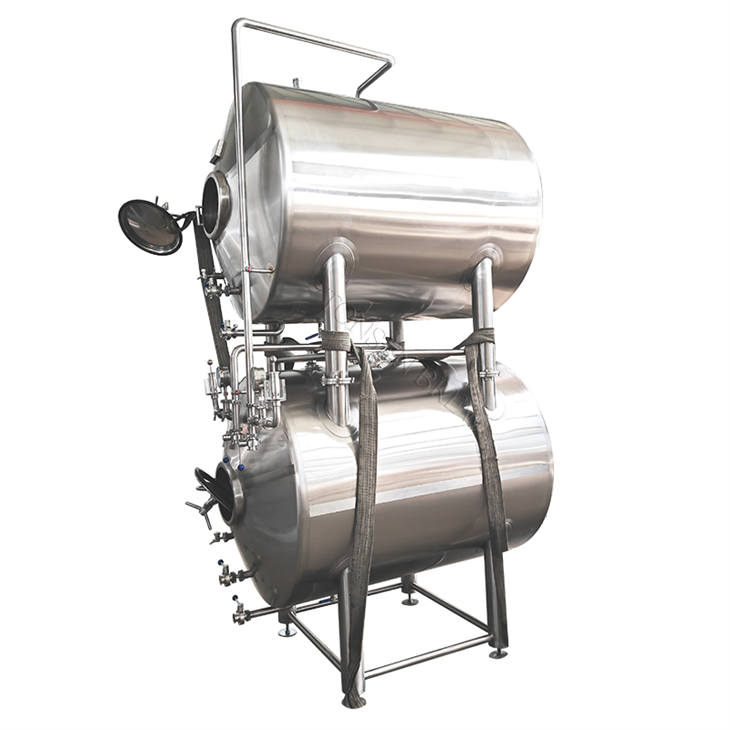
If you are experiencing leakage issues with your bright beer tanks or are looking for high-quality Vertical Bright Beer Tank or Horizontal Bright Beer Tanks, please feel free to contact us. Our team of experts can provide you with the right solutions and support to meet your brewing needs.
References
- ASM Handbook Volume 13C: Corrosion: Stainless Steels. ASM International.
- Brewer's Handbook. John Palmer.
- Welding Handbook, Volume 2: Welding Processes. American Welding Society.