

Brewery Malt Milling Machine
Brewery Malt Milling Machine Manufacturer
Dehui manufactures double-roller malt milling machines for craft breweries, commercial breweries and brewery development projects. Our machines offer processing capacities from 100 to 3,000 kg/h to meet different malt milling requirements.
We supply individual malt milling machines as well as complete wet malt milling systems. Equipment selection is based on required processing capacity, grist requirements, milling process and brewhouse configuration.
-
 Malt Milling Machine For BreweriesA malt milling machine is an essential piece of brewing equipment designed to crush malted grains efficiently while preserving husk integrity. Proper milling improves mash efficiency, lautering...Add to Inquiry
-
 Double Roller Malt Miller(Dry Type)Dry Malt Miller is widely used in micro breweries. It is simple, easy to operate and easy to clean.Add to Inquiry
-
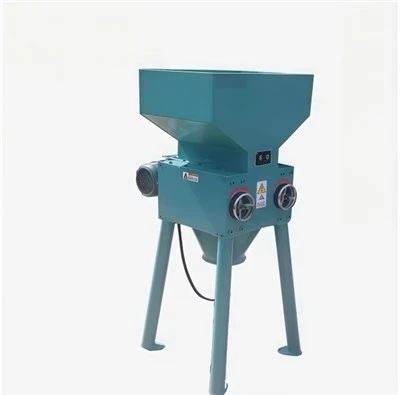 Double Roller Malt MillerRoller malt mills are essential malt crushing machinery for beer brewing. Two counter-rotating rollers generate compression and shear force to crack malt grains into properly sized particles ideal...Add to Inquiry
-
 Malt Milling MachineMalt milling machine is a device used primarily in brewing (especially homebrewing and craft beer production) to crush malted barley and other grains. This process prepares the grains for mashing,...Add to Inquiry
-
 Double Roller Malt Miller MachineOur malt grinding machines come in two types: disc malt mills and roller malt mills, both featuring adjustable crushing output. Disc malt mills are ideal for brewing setups with a daily beer yield...Add to Inquiry
-
 Wet Milling SystemHere's the idea: by conditioning the malt at just the right time and temperature, it becomes tough and pliable. This means the husks stay in one piece during grinding, creating a perfect filter...Add to Inquiry


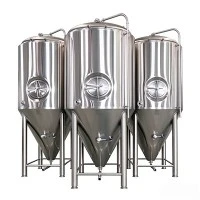
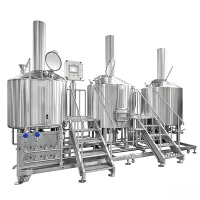
Malt Milling Machine Types
Double Roller Malt Milling Machine
The double-roller malt mill uses two rollers to crush malt kernels and produce grist for the brewing process. It is suitable for breweries requiring a straightforward milling configuration with adjustable roller gaps.
Complete Wet Malt Milling System
For breweries using wet milling, Dehui can supply complete wet malt milling systems configured around the required processing capacity, process layout and connection to the brewhouse.
Malt Milling Capacity and Technical Specifications
Our product range includes double-roller malt milling machines with processing capacities from 100 to 3,000 kg/h.
|
Technical Parameter |
100–300 kg/h |
300–800 kg/h |
800–1,500 kg/h |
1,500–3,000 kg/h |
|
Motor Power |
1.1 kW |
1.5 kW |
3 kW |
5.5 kW |
|
Dimensions (L × W × H) |
540 × 790 × 1130 mm |
600 × 780 × 1365 mm |
740 × 800 × 1450 mm |
1150 × 680 × 1710 mm |
|
Weight |
120 kg |
150 kg |
180 kg |
630 kg |
The final machine configuration is selected according to the required processing capacity and milling requirements. Electrical specifications and other configuration details should be confirmed for the selected machine before ordering.
Roller Configuration and Grist Size Control
Malt milling affects grist composition and the performance of the subsequent mashing and wort separation processes. Roller gap adjustment and milling capacity should be selected according to the brewery's grist requirements and downstream lautering process.
Husk Integrity
For breweries using a Lauter Tun, maintaining relatively intact husks helps form the filter bed during wort separation. Excessive husk damage can reduce bed permeability and affect wort drainage.
Grist Particle Size
• Milled malt typically contains husks, coarse grits, fine grits and flour. The required particle distribution depends on the downstream separation process.
• Lauter Tun systems generally require sufficient husk integrity to support filtration, while Mash Filter systems can accommodate a different grist preparation approach.
Adjustable Roller Gap
The roller gap influences the degree of malt crushing and the resulting grist particle size. The appropriate adjustment range depends on the machine configuration and the required grist characteristics.

Stainless Steel Milling Rollers
Dehui malt milling machines use stainless steel rollers for malt processing.
Foreign Object Protection
• Magnetic Separator
Removes ferrous metal contaminants from malt before it enters the milling unit.
• Destoner
Separates stones and other dense foreign materials from malt before milling.
• Roller Emergency Disengagement
Allows the crushing rollers to separate when oversized foreign objects enter the milling area, reducing the risk of roller damage.
Dry Malt Milling and Wet Malt Milling Solutions
Dehui supplies malt milling equipment for both dry and wet milling processes. The main difference lies in whether brewing water is introduced before or during malt milling.
Dry Malt Milling
Malt is milled without pre-wetting. This process is used where dry grist preparation is required before mashing.
Wet Malt Milling
Malt is conditioned with brewing water before or during milling. This process is selected when the brewhouse is designed for wet grist preparation.
The choice of milling method depends on the brewery's mashing process, wort separation equipment and overall process design.
Complete Wet Malt Milling System
Dehui supplies wet malt milling systems based on double-roller milling equipment. System configurations are determined by the required processing capacity, process arrangement and project supply scope.
Core Milling Equipment
Double Roller Milling Unit: Crushes conditioned malt through two milling rollers to produce grist for mashing.
Configurable Process Equipment
Depending on the project requirements and confirmed supply scope, the system may include:
• Malt Feeding Hopper: Stores malt before feeding into the milling unit.
• Malt Pre-Wetting and Conditioning Unit: Applies brewing water to malt before milling.
• Brewing Water Supply and Dosing System: Supplies and regulates water for malt conditioning.
• Mash Collection Hopper: Collects the milled malt and water mixture.
• Mash Transfer Pump: Transfers the prepared mash to the mash tun.
Auxiliary Equipment and System Connections
Magnetic separators, destoners, CIP equipment, control systems, connecting pipes and valves can be considered according to project requirements and the agreed supply scope.
The final equipment list, specifications and supply responsibilities are confirmed during project design and quotation.
Malt milling equipment must match the brewhouse's production schedule, installation conditions and process interfaces.
Production Capacity Matching
The required milling capacity depends on the malt quantity per batch and the available milling time before mashing. The selected machine must process the required malt quantity within the available milling time.
Installation Requirements
Before installation, check the available floor space, machine dimensions, feeding height, discharge position, operator access and maintenance clearance.
Upstream and Downstream Interfaces
The equipment layout must accommodate malt delivery to the milling unit and grist discharge to the next process stage. For wet milling systems, the connection arrangement must also match the brewing water supply and mash transfer interfaces.
Connection sizes, elevations, equipment positions and control requirements should be confirmed against the brewhouse layout before equipment manufacturing and installation.
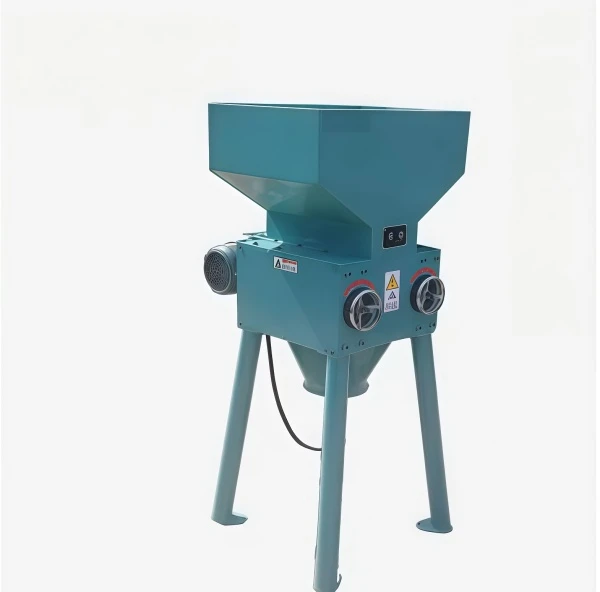
Customized Malt Milling Solutions
Dehui provides malt milling equipment configurations based on project requirements, with customization covering the following aspects:
Machine Capacity
Selection of the appropriate milling machine model according to the required malt processing output.
01
Roller Gap Configuration
Roller gap adjustment requirements based on the target grist characteristics and downstream separation process.
02
Motor and Electrical Configuration
Motor power and electrical specifications according to the project supply requirements.
03
Machine Dimensions and Feeding Arrangement
Equipment dimensions, feeding height and discharge position according to the installation space and process layout.
04
Wet Milling System Configuration
Arrangement of feeding, pre-wetting, milling, brewing water supply, mash collection and transfer equipment according to the required process design.
05
FAQ
Request a Brewery Malt Milling Machine Quotation
To select a suitable malt milling machine or complete wet malt milling system, please provide your required processing capacity, brewhouse batch size, preferred milling process and installation details.
Dehui can recommend a suitable double-roller malt milling machine or configure a complete wet malt milling system according to your brewery's production requirements.
As one of the leading brewery malt milling machine manufacturers and suppliers in China, we warmly welcome you to buy high-grade brewery malt milling machine for sale here from our factory. All machines are with high quality and competitive price.
Double Roller Malt Miller Machine, Wet Milling System