


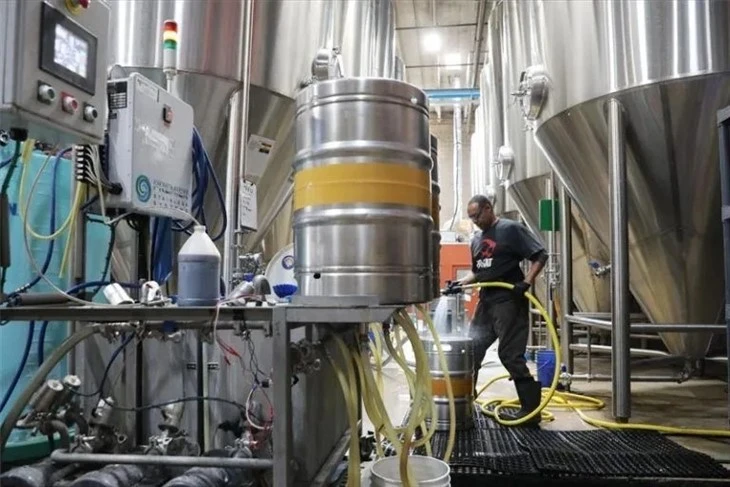

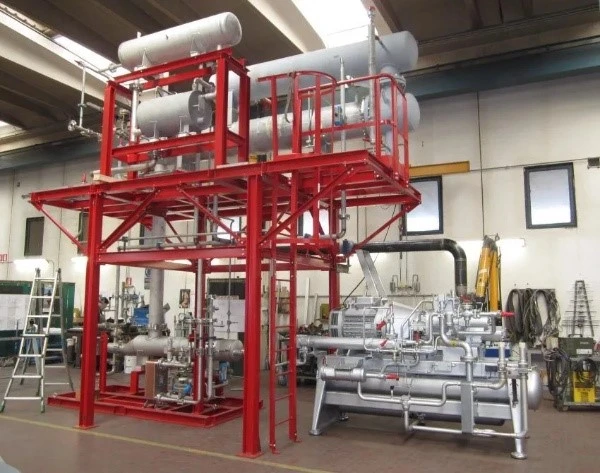
Breweries adopt CO₂ recovery systems largely to satisfy their own brewing demands while cutting expenses. Beer production consumes substantial volumes of carbon dioxide throughout the workflow. CO₂ infusion creates the characteristic carbonated fizz and balanced flavor right before bottling. It also purges air out of cans and bottles during filling to stop oxidation that ruins beer quality. Fermentation and storage tanks are blanketed with CO₂ as an inert shield, keeping oxygen and impurities away from the liquid. Without this recovery setup, breweries have to buy food-grade CO₂ from outside suppliers, an expense that makes up 1% to 3% of overall manufacturing costs.
Aapplication
The main application scenarios of the CO2 recovery system are as follows:
1. Brewing and Fermentation Process
Inert gas protection for fermentation tanks
During the fermentation and wine storage stages, CO₂ is filled into the top space of the tanks to prevent beer from coming into contact with oxygen (oxidation) or being contaminated by bacteria.
2. Filtration and Clarification Stage
Centrifuge and filter protection
During processes such as diatomite filtration and membrane filtration, CO₂ is used to expel the air from the equipment to prevent beer oxidation.
3. Filling and packaging stage
Brewing carbonation
Before transferring to the keg or during bottling, inject CO₂ into the beer to adjust the gas content (usually 2.5 - 5 g/L) to ensure foam and taste.
Exhausting oxygen from bottles/cans/tanks
Pre-suction and CO₂ filling: Replace the air in the container with CO₂ before bottling.
Foaming method (Snifting): Spray CO₂ after bottling to remove air from the bottleneck.
Inert gas coverage in the filling machine
During the transfer process on the filling line, cover the beer surface with CO₂ to prevent oxidation.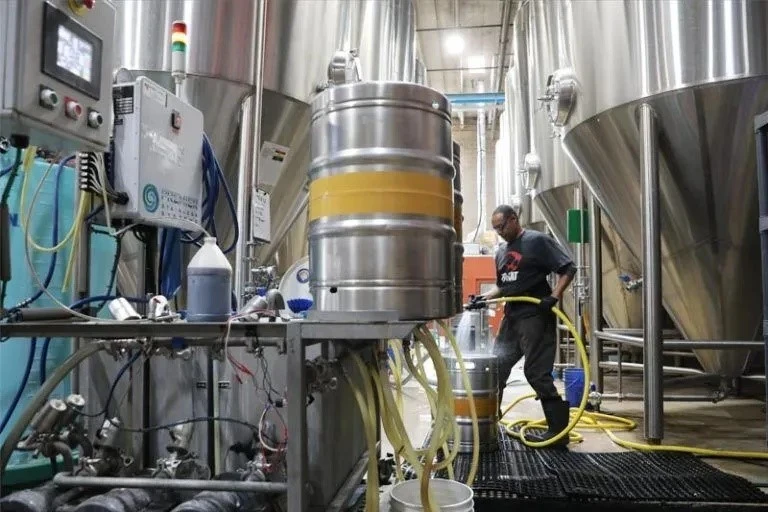
5. Other auxiliary purposes
Nitrogen production system raw materials
Some breweries use CO₂ as the raw gas for PSA nitrogen production equipment (which needs further purification).
Fire protection system
High-pressure CO₂ can be used for fire extinguishing (but it must be strictly separated from food-grade CO₂ pipelines). Laboratory testing
Used for dissolved oxygen measurement, gas chromatography analysis, etc.
Configuration
Brewery CO₂ Recovery System Parameter Configuration
| Parameter | Typical Value/Range | Remarks |
|---|---|---|
| Gas Handling Capacity | 50–500 Nm³/h (per line) | Based on fermenter volume & peak CO₂ production (~1.5–2 kg CO₂ per 100L beer). |
| Inlet CO₂ Concentration | 30–50% (initial), ≥99% (later) | Early fermentation gas contains air; high-purity gas is collected later. |
| Output CO₂ Purity | ≥99.9% (food-grade) | Meets GB 10621-2006 / ISBT standards: O₂ ≤30 ppm, total sulfur ≤1 ppm, oil-free. |
| Operating Pressure | 0.8–1.2 bar (collection) | Maintained by fermenter backpressure valves. |
| Compression Pressure | 16–20 bar (liquefaction) | Multi-stage oil-free compressors for liquefaction. |
| Dew Point (Moisture) | ≤-40°C | Achieved via chillers (4°C) + desiccant adsorbers (silica gel/molecular sieve). |
| Purification Method | Activated carbon + catalytic oxidation | Removes VOCs (alcohols, esters) and sulfur compounds (H₂S, SO₂). |
| Liquefaction Temperature | -25°C to -30°C | Required for liquid CO₂ storage at 16–20 bar. |
| Storage Capacity | 5–20 tons (liquid CO₂) | Insulated tanks with vapor recovery; sized for 2–3 days of brewery demand. |
| Energy Consumption | 100–150 kWh/ton CO₂ | Varies with compressor efficiency and purification complexity. |
| Recovery Rate | 70–90% | Lower in early fermentation due to air dilution; optimized via staged collection. |
Packing and Delivery

Certificate

Customer Review

Hot Tags: co2 recovery system in beer production, China co2 recovery system in beer production manufacturers, suppliers, factory


